Talking to everyone about everything: a guide to inclusive language
Read story
 What is inclusive language?
Inclusive language is a way of speaking and writing that respects all people and does not exclude, belittle or stereotype anyone. It covers many areas: how we talk about people with disabilities, gender identity, age, race, ethnicity and religion – and descriptions that do not reduce groups of people to one characteristic. Inclusive language is also known as bias-free language.
Inclusive language is not about forbidden words or complicated rules. It is about making conscious choices and communicating respectfully – and about asking people how they want to be addressed. Language use and social norms change over time, and so do the terms people prefer.
Language shapes how we see the world and each other. Inclusive language makes a difference in three ways:
It promotes equality and equity: When everyone is represented in language, regardless of gender, background or disability, everyone feels addressed. This matters most for marginalised people, who are often left out or described in a negative way.
It makes communication more effective: Clear, respectful wording reduces misunderstandings and creates trust.
It reduces prejudice: Avoiding stereotypes allows people to be seen for their individual qualities and abilities, not for assumptions about a group.
For organisations, inclusive language is also part of an inclusive culture, where mutual respect is the norm and everyone feels empowered to take part.
Many common expressions about disability are well-meant, but still convey a negative or one-sided picture. The Disability-Inclusive Language Guidelines of the United Nations in Geneva recommend positive and person-centred language based on a few simple principles:
Only mention a disability if it is relevant. In many contexts, it simply does not matter.
Describe, do not judge. A disability is a fact, not a tragedy or a burden.
No pity, no heroism. People with disabilities are neither victims nor heroes just because they go about their everyday lives. Avoid derogatory terms and language that patronises.
Ask. If you are unsure how someone wants to be described, ask them.
Some examples of words to avoid and better alternatives:
Instead of "suffers from a disability", write "has a disability" or "lives with a disability".
Instead of "wheelchair-bound" or "confined to a wheelchair", write "uses a wheelchair" or "wheelchair user".
Instead of "the disabled" or "the handicapped", write "disabled people" or "people with disabilities".
Instead of "special needs", write about the specific support someone needs, for example "needs a sign language interpreter".
Instead of "despite her disability, she…", simply describe what she does.
Instead of "normal people", write "people without disabilities" or "non-disabled people".
Instead of "deaf and dumb", write "deaf" – many deaf people communicate in sign language.
Instead of "mentally handicapped", write "person with a learning disability".
Instead of "suffering from ADHD", write "has ADHD" or "is neurodivergent". The term neurodiversity describes the natural variation in how people's brains work.
There are two common approaches. Person-first language puts the person first: "person with a disability", "person with autism". Identity-first language puts the disability first: "disabled person", "autistic person".
Both are used, and preferences differ. Many people in the UK prefer "disabled people", because it reflects the social model of disability: people are disabled by barriers in society, not by their impairment. Disability Rights UK explains this approach in more detail. Many autistic people and many blind and deaf people also prefer identity-first language. The UN guidelines recommend person-first language in general, but accept "blind person" as well as "person who is blind". The most reliable rule is: follow the preference of the person or community you are writing about.
Gender-neutral or gender-inclusive language addresses everyone, regardless of gender identity. In English, this is often easier than in languages with gendered grammar, such as German, French or Spanish:
Use neutral terms: "chairperson" instead of "chairman", "firefighter" instead of "fireman", "staff" instead of "manpower".
Address everyone: "Dear all" or "Dear colleagues" instead of "Dear Sir or Madam", "everyone" instead of "ladies and gentlemen".
Use gender-neutral pronouns: If you do not know someone's gender, or if they use it, singular "they" is correct and widely accepted.
Respect pronouns: Use the pronouns a person has shared with you, including those of trans and non-binary people.
Offer neutral titles: In forms, add "Mx" alongside "Mr" and "Ms", or make the title optional.
Gender-neutral language also matters for accessibility. In some languages, gender characters such as asterisks or colons are used within words. Screen readers read them out or pause at them, which can disrupt the reading flow for blind users. Neutral wording that works without special characters is therefore the most accessible solution.
Inclusive language goes beyond disability and gender. Some examples:
Age: Instead of "the elderly", write "older people". Avoid assumptions such as "digital natives" versus "older people who cannot use technology".
Race and ethnicity: Only mention someone's race, ethnic group or skin colour if it is relevant. Avoid generalisations about entire groups.
Religion: Avoid terms that assume one religion, for example "Christian name" instead of "first name", and respect religious practices without exoticising them.
Implicit biases: We all have unconscious assumptions. Reading your text again with fresh eyes, or asking someone else to check it, helps to spot them.
Mental health: Do not use diagnoses as adjectives, for example "I'm so OCD" or "that's crazy". Instead of "committed suicide", write "died by suicide".
Inclusive language is especially important where many people read the same text: on websites, in apps and in forms.
Alt text: When you describe people in images, stick to what is relevant for the content. Our article on alt text for images shows how.
Forms: Only ask for gender if you really need it, and offer more options than "male" and "female", including "prefer not to say". Our guide to accessible online forms explains more.
Interface texts: Address users directly and neutrally, for example "Enter your email address" instead of "The user must enter his email address".
Images: Show the diversity of the people you are addressing – without clichés.
Videos: Captions, audio description and, where useful, sign language make content accessible to deaf and blind people.
Content style guide: Define preferred terms in your content or editorial style guide, so that inclusive language becomes part of user-centred design from the start.
Many barriers are not physical, but social – and they often start with language. Our article on the most common barriers in everyday life shows more examples.
For organisations, inclusive language is not only a matter of attitude. It shapes how people perceive your brand and who you reach:
Job descriptions: Inclusive hiring starts with the job ad. Use neutral job titles, avoid terms such as "young and dynamic team" or "native speaker", and explicitly welcome applications from disabled people. In the UK, the Equality Act 2010 protects people from discrimination, including in recruitment.
Marketing and product texts: Texts and visuals without stereotypes reach a wider audience.
B2B communication: Decision-makers in companies and public authorities increasingly pay attention to respectful wording.
Your own inclusive language guide: A short guide with preferred terms and examples is best practice. It helps everyone in the team write consistently.
Respectful language only works if people understand it. Long, complicated sentences and technical jargon exclude people with learning difficulties, cognitive impairments or limited language skills. That is why inclusive language and understandable language belong together.
How plain language and easy language differ, and who each of them is for, is explained in our article on plain language and easy language.
Inclusive language is not a rulebook, but an attitude. It means choosing words consciously, avoiding stereotypes and asking people how they want to be addressed. Small changes in wording can make a big difference: they show respect and make sure that everyone feels addressed. Because the way we talk about the world shapes the world we live in.
Inclusive language is a way of speaking and writing that respects all people and does not exclude or stereotype anyone. It includes respectful language about disability, gender-neutral wording and avoiding ageism and racism. It is also called bias-free language.
Both are used. "Person with a disability" puts the person first, while "disabled person" is preferred by many people in the UK and by many disability communities. If you are writing about a specific person or group, follow their preference.
Say "has" or "lives with", for example "has multiple sclerosis" or "lives with a disability". "Suffers from" presents the disability as a tragedy, which many people with disabilities do not share.
Screen readers read out characters such as asterisks or colons within words, or pause at them, depending on the settings. This can disrupt the reading flow. Gender-neutral wording without special characters is therefore the most accessible option.
Gender-neutral pronouns do not refer to a specific gender. In English, the most common one is singular "they", for example "Alex said they would join the meeting". Use the pronouns a person has shared with you.
Use neutral job titles such as "chairperson" or "team lead", avoid terms that target age or origin such as "young team" or "native speaker", and explicitly welcome applications from disabled people. Focus on the skills the job really requires.
No. Inclusive language is about respectful wording. Plain language is about making texts easy to understand. Both belong together, because a text is only inclusive if people can understand it.
Talking to everyone about everything: a guide to inclusive language
Read story
What does an inaccessible website really cost?
Read story
Your WordPress site is never really finished: Why continuous maintenance matters
Read story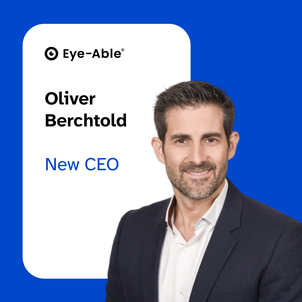
A New Leadership Team for Eye-Able: Oliver Berchtold Appointed CEO
Read story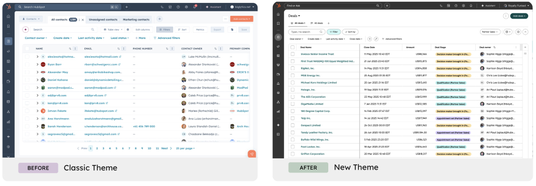
HubSpot drops orange: how accessibility reshaped the CRM's design
Read story
AC Monza chooses Eye-Able for digital accessibility
Read story
How to make your website EAA-compliant in 8 steps
Read story
Looking back at the 2026 World Cup: How accessible was the tournament really?
Read story
Accessibility warnings in Austria? What European businesses need to know
Read story
New: Eye-Able brings digital accessibility directly into the development environment
Read story
Groundbreaking new AI-powered tests come to Eye-Able Audit
Read story
One year of the EAA: Where businesses still fall short
Read story
