:no_upscale())
Accessible Web Design: Eye-Able® & TWT - A powerful team for digital inclusion
Read story
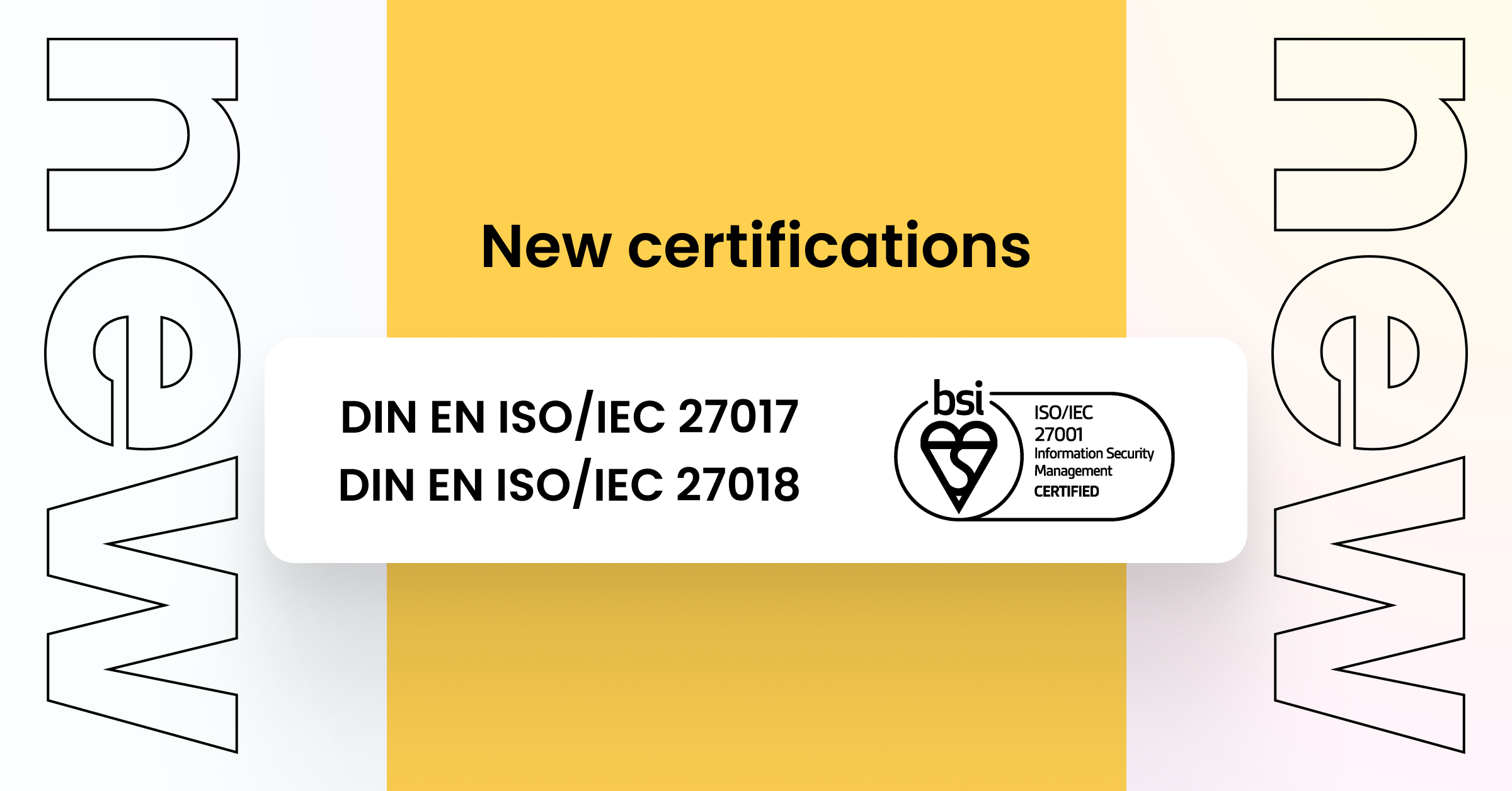 What exactly has been certified
 We now operate an integrated management system that combines the requirements of four standards:
DIN EN ISO 9001 – Quality management
DIN EN ISO/IEC 27001 – Information security management
DIN EN ISO/IEC 27017 – Information security for cloud services
DIN EN ISO/IEC 27018 – Protection of personal data in cloud environments
Rather than managing individual certifications in isolation, we have consciously chosen a unified system.
As a SaaS provider, it was particularly important for us to embed cloud security structurally – not merely as an add-on to information security.
Standards 27017 and 27018 provide clarity here:
They define responsibilities between provider and customer and set out clear guidelines for handling personal data in the cloud.
The certification process took place over several months and was structured in three consecutive phases. BSI Group assessed different aspects in detail:
September 2025: Foundations of the integrated management system – processes, documentation, key roles, and responsibilities
December 2025: Infrastructure, operations, and interfaces with our key services and suppliers
January–March 2026: Effectiveness in day-to-day operations – do risk management, incident response, and continuous improvement actually work in practice?
The certification brings tangible benefits for working with our customers and partners:
Quality, information security, cloud security, and data protection are combined within one system
Measures are not only documented but externally verified
Requirements can be aligned based on clearly defined standards
This makes coordination significantly easier for many organisations – particularly with IT, data protection, and legal teams.
Especially in regulated industries or the public sector, this reduces effort considerably:
Many requirements can be addressed directly based on the certifications, rather than being developed from scratch.
Certification does not mean the work is done.
What matters now is whether processes, responsibilities, and measures hold up in everyday practice – for example in product development, collaboration with service providers, or incident handling.
That is exactly what we continue to focus on.
Digital accessibility decides whether customers can shop at all. Check your website’s accessibility now – and reduce legal risk before it becomes a problem.
Accessible Web Design: Eye-Able® & TWT - A powerful team for digital inclusion
Read story:no_upscale():format(png))
Remote work and disability: a great opportunity for inclusion
Read story:no_upscale())
Inclusion wanted - Accessibility in medical care
Read story:no_upscale())
World Literacy Day and inclusion: Reading opens up worlds
Read story:no_upscale())
Barrier Breakers - Eye-Able® and Glücksliga for more inclusion in sports
Read story:no_upscale():format(png))
How inclusive are the Paralympics?
Read story:no_upscale():format(png))
Talking to everyone about everything Part 2: Simple- and Plain language
Read story:no_upscale():format(png))
Simplicity is the key - more reach through readability
Read story:no_upscale():format(png))
Blind trust: Inclusion and team spirit in goalball
Read story:no_upscale():format(png))
Keeping an eye on accessibility? - The Global Accessibility Awareness Day
Read story:no_upscale():format(png))
Surfing with visual impairment - The hidden world of screen readers
Read story:no_upscale():format(png))
Invisible barriers in everyday life and where to find them
Read story:no_upscale():format(png))
:no_upscale():format(png))