:no_upscale())
Wet Digitale Toegankelijkheid (EAA): zo krijg je de hele organisatie mee!
Lees verhaal
Wet Stanca (Wet 4/2004): de eerste wet inzake digitale toegankelijkheid in Italië
Het is de eerste concrete stap in Italië naar een meer inclusieve digitale wereld, die het recht van elke burger op barrièrevrije toegankelijkheid beschermt. Hieronder leggen we uit wat het inhoudt, wie eraan moet voldoen en wat de technische vereisten zijn.
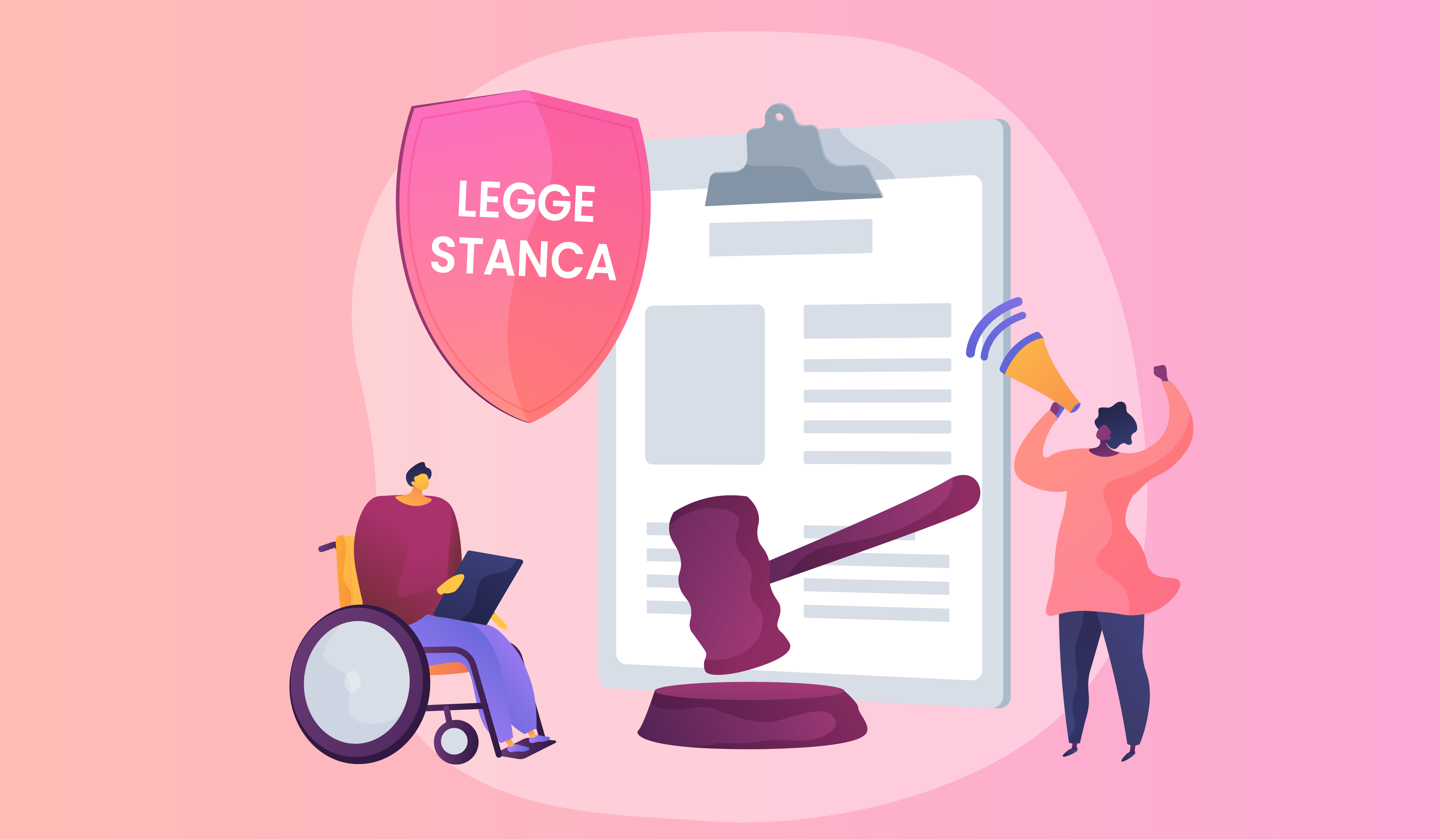
Wat de Stanca Act inhoudt en waarom die belangrijk is.
De Stanca-wet is vernoemd naar de voormalige minister van Innovatie en Technologie en is de belangrijkste Italiaanse wetgeving inzake digitale toegankelijkheid. De wet, die op 9 januari 2004 van kracht werd, is in het leven geroepen om gelijke toegang te garanderen voor alle burgers – in het bijzonder mensen met een beperking – tot websites, applicaties en online producten van de overheid.
De Stanca-wet speelt een belangrijke rol omdat het een van de eerste wetten in Europa en wereldwijd was die verplichte eisen stelde aan digitale toegankelijkheid. Deze werd gedefinieerd als "het vermogen van IT-systemen om, binnen de vormen en grenzen die de technologische kennis toelaat, bruikbare diensten en informatie te leveren, zonder discriminatie, ook aan mensen die vanwege een beperking ondersteunende technologieën nodig hebben" (Wet 4 van 9 januari 2004). De wet handhaaft hetzelfde recht dat nu volledig wordt erkend door de Europese Toegankelijkheidsrichtlijn.
In een tijd waarin architectonische barrières nog geleidelijk werden weggenomen, introduceerde de Stanca-wet specifieke verplichtingen voor openbare digitale diensten, waarmee het recht op inclusie werd bevorderd en uitgebreid tot buiten de fysieke omgeving die tot dan toe werd erkend.
Wie is verplicht zich te houden aan de regels?
Oorspronkelijk golden de verplichtingen van de Stanca-wet alleen voor overheidsinstanties en publieke entiteiten, dat wil zeggen bedrijven met een publiek aandeelhouderschap, publieke economische instellingen en concessiehouders van openbare diensten. De Europese Richtlijn 2016/2012 – de Richtlijn inzake webtoegankelijkheid (WAD) – werd in Italië omgezet via wetsbesluit 106/2018, waarmee de Stanca-wet werd gewijzigd.
De WAD (Wide Accessibility Directive) betreft niet alleen overheidsinstanties, maar ook grote particuliere bedrijven die publieke diensten verlenen. Volgens circulaire nr. 3 van AGID van 20 december 2022 en decreet-wet nr. 76/2020 zijn de toegankelijkheidsverplichtingen uitgebreid naar "andere rechtspersonen", namelijk die "diensten aan het publiek aanbieden via websites of mobiele applicaties met een gemiddelde omzet over de afgelopen drie jaar van meer dan 500 miljoen euro". Dit betekent dat de naleving niet langer beperkt is tot overheidsinstanties – een belangrijke uitbreiding.
Technische vereisten van de Stanca-wet
De Stanca-wet verplicht alle entiteiten die onder de wet vallen om hun websites en digitale applicaties toegankelijk te maken, zodat elke burger zelfstandig en volledig gebruik kan maken van digitale publieke diensten. Dit omvat websites, thematische portalen, mobiele applicaties, software, online platforms en alle online gepubliceerde digitale documenten, zoals formulieren, pdf's, communicatie, enzovoort.
De technische norm waarnaar in de Stanca Act wordt verwezen, die vereist is om een digitaal product als toegankelijk te erkennen, is de Europese norm EN 301 549. Deze norm omvat de principes van WCAG 2.1, de richtlijnen die stellen dat een digitaal product waarneembaar, bedienbaar, begrijpelijk en robuust moet zijn.
Toegankelijkheidsverklaring: verplichtingen en deadlines
De Stanca Act vereist dat alle entiteiten jaarlijks, uiterlijk 23 september, een toegankelijkheidsverklaring publiceren – een openbaar document dat duidelijk en controleerbaar het daadwerkelijke niveau van toegankelijkheid van het digitale product waarop de verklaring betrekking heeft, uitlegt.
Zoals gezegd is de toegankelijkheidsverklaring verplicht en dient deze als hulpmiddel om het niveau van digitale toegankelijkheid van een dienst duidelijk te communiceren. Het stelt iedereen ook in staat om mogelijke toegankelijkheidsproblemen te melden.
De toegankelijkheidsverklaring moet uitsluitend via het online AGID-formulier worden ingevuld. Hierin moet de nalevingsstatus van het product worden vermeld (conform, gedeeltelijk conform, niet conform), een lijst met niet-toegankelijke elementen en de bijbehorende onderbouwing, geplande corrigerende maatregelen, contactgegevens voor meldingen of verzoeken, en een verwijzing naar de Digitale Ombudsman – die verantwoordelijk is voor de bescherming van de digitale rechten van burgers en bedrijven.
Wie houdt toezicht op de naleving, de feedbackmechanismen en de gebruikersbescherming?
Het Agentschap voor Digitaal Italië (AGID) is verantwoordelijk voor het toezicht op de correcte implementatie van de Stanca-wet en voert op verschillende momenten en met uiteenlopende diepgang evaluaties uit. De rol van AGID is met name belangrijk omdat het ook de kwaliteit van de gepubliceerde toegankelijkheidsverklaringen beoordeelt.
Gebruikers kunnen bovendien zelf rechtstreeks meldingen indienen bij overheidsinstanties of wettelijk verplichte entiteiten via het feedbackmechanisme in de toegankelijkheidsverklaring of in de relevante onderdelen van de website of applicatie. Als het antwoord ontoereikend of afwezig is, kunnen gebruikers contact opnemen met de digitale ombudsman.
De Stanca-wet en de Europese Toegankelijkheidswet
Hoewel de Stanca-wet betrekking heeft op overheidsinstanties en alle entiteiten die publieke diensten verlenen, introduceert de Europese Toegankelijkheidsverordening, die op 28 juni 2025 van kracht is geworden, eisen op het gebied van digitale toegankelijkheid ook voor particuliere entiteiten die, kortom, producten en diensten aanbieden via websites.
Sinds 2004 heeft de Stanca-wet de basis gelegd voor de erkenning van toegankelijkheid niet als een technische aanbeveling, maar als een onvervreemdbaar recht, en blijft het een van de hoekstenen van digitale inclusie in Italië en Europa.
Controleer gratis de toegankelijkheid van uw website met Eye-Able®!
Wet Digitale Toegankelijkheid (EAA): zo krijg je de hele organisatie mee!
Lees verhaal:no_upscale())
Welke subsidies zijn er voor de Wet Digitale Toegankelijkheid (EAA)?
Lees verhaal:no_upscale())
Hoe hoog zijn de boetes Wet Digitale Toegankelijkheid (EAA)?
Lees verhaal:no_upscale())
Wie controleert de European Accessibility Act (EAA)?
Lees verhaal:no_upscale():format(png))
Wat kost het om jouw website aan de European Accessibility Act (EAA) te laten voldoen?
Lees verhaal:no_upscale():format(png))
Waarom een nieuwe wetgeving Digitale Toegankelijkheid (EAA)?
Lees verhaal:no_upscale())
Checklist! Voldoet jouw website aan de Wet Digitale Toegankelijkheid (EAA)?
Lees verhaal:no_upscale())
Barrières herkennen: de meest voorkomende obstakels in het dagelijks leven
Lees verhaal:no_upscale():format(png))
Onzichtbare barrières in het dagelijks leven en waar je ze vindt
Lees verhaal:no_upscale())
Wie doet het het best? 6 landen die vooroplopen in toegankelijkheid
Lees verhaal:no_upscale():format(png))
Toegankelijke formulieren: zo ontwerp je formulierelementen die iedereen kan gebruiken
Lees verhaal:no_upscale():format(png))
Wat is kleurenblind en hoe Eye-Able digitale toegankelijkheid voor iedereen verbeterd
Lees verhaalNeem contact met ons op en we helpen u graag verder.
:no_upscale():format(png))
:no_upscale():format(png))