:no_upscale())
Barrierefreies Webdesign: Eye-Able® und TWT - Ein starkes Team für digitale Inklusion
Geschichte lesen
Stanca-Gesetz (Gesetz 4/2004): das erste Gesetz zur digitalen Barrierefreiheit in Italien
Dies ist der erste konkrete Schritt in Italien hin zu einer inklusiveren digitalen Welt und schützt das Recht aller Bürger auf barrierefreien Zugang. Hier erfahren Sie, was es beinhaltet, wer es einhalten muss und welche technischen Anforderungen gelten.
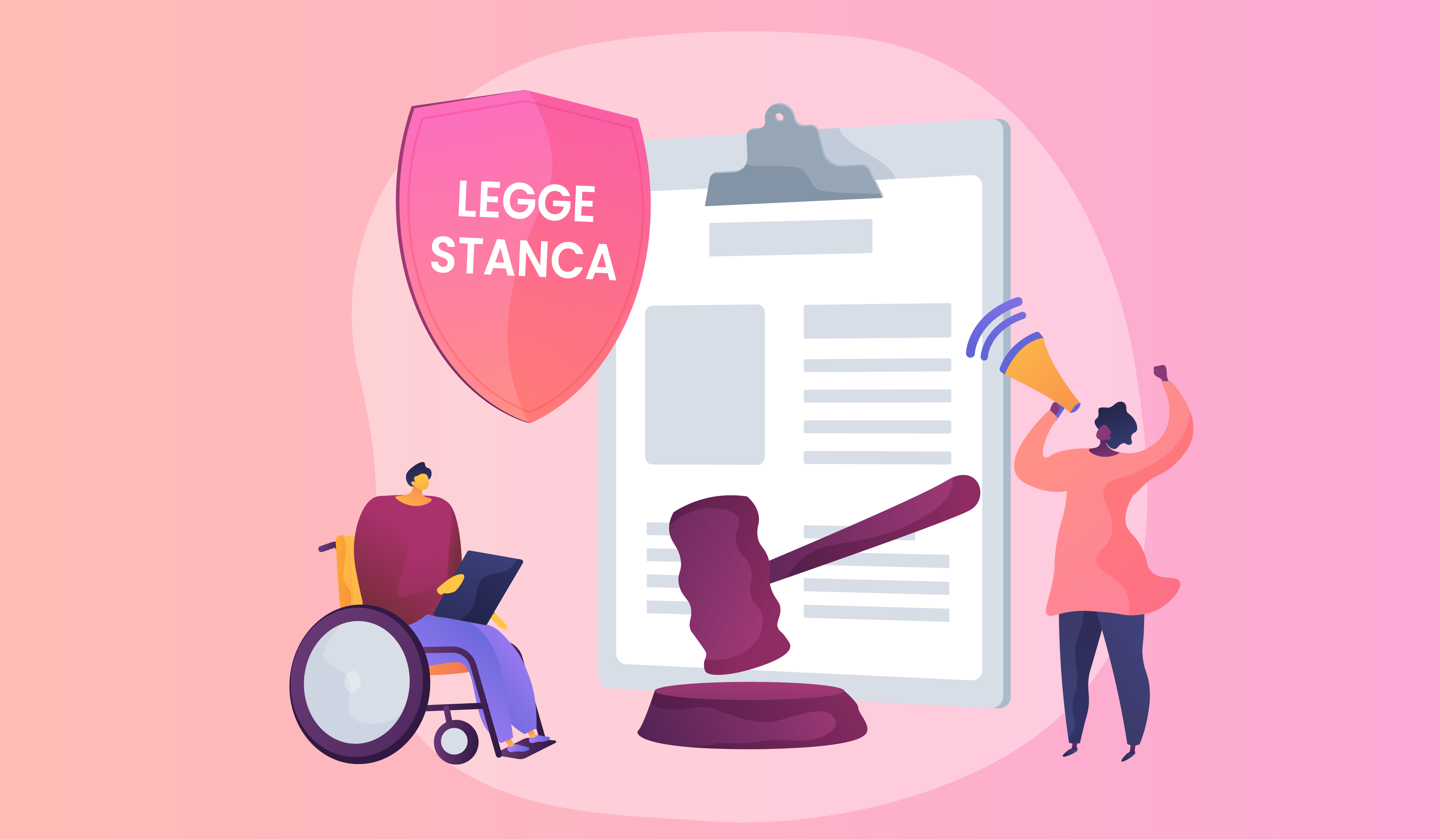
Was der Stanca Act besagt und warum er wichtig ist
Das Stanca-Gesetz ist nach dem ehemaligen Minister für Innovation und Technologie benannt und stellt die wichtigste italienische Verordnung zur digitalen Barrierefreiheit dar. Es trat am 9. Januar 2004 in Kraft und wurde geschaffen, um allen Bürgern – insbesondere Menschen mit Behinderungen – einen gleichberechtigten Zugang zu Websites, Anwendungen und Online-Produkten der öffentlichen Verwaltung zu gewährleisten.
Der Stanca Act spielt eine zentrale Rolle, da er als eine der ersten Verordnungen in Europa und weltweit verbindliche Anforderungen an die digitale Barrierefreiheit einführte. Diese wird definiert als „die Fähigkeit von IT-Systemen, innerhalb der durch den Stand der Technik erlaubten Formen und Grenzen, Dienste und Informationen bereitzustellen, die ohne Diskriminierung nutzbar sind, auch für Menschen mit Behinderungen, die auf assistive Technologien angewiesen sind“ (Gesetz Nr. 4 vom 9. Januar 2004). Er bekräftigt dasselbe Recht, das heute durch den Europäischen Barrierefreiheitsgesetz (Accessibility Act) umfassend anerkannt wird.
In einer Zeit, in der architektonische Barrieren erst nach und nach abgebaut wurden, führte der Stanca Act spezifische Verpflichtungen für öffentliche digitale Dienste ein und förderte und erweiterte das Recht auf Inklusion über die bis dahin anerkannte physische Umgebung hinaus.
Wer ist zur Einhaltung verpflichtet?
Ursprünglich galten die im Stanca-Gesetz festgelegten Verpflichtungen nur für öffentliche Verwaltungen und öffentliche Einrichtungen, also Unternehmen mit öffentlicher Beteiligung, öffentliche Wirtschaftskörperschaften und Konzessionäre für öffentliche Dienstleistungen. Die europäische Richtlinie 2016/2102 – die Richtlinie zur Barrierefreiheit im Internet (Web Accessibility Directive, WAD) – wurde in Italien durch das Gesetzesdekret 106/2018 umgesetzt, wodurch das Stanca-Gesetz geändert wurde.
Die WAD betrifft nicht nur öffentliche Verwaltungen, sondern auch große private Unternehmen, die öffentliche Dienstleistungen erbringen. Gemäß AGID-Rundschreiben Nr. 3 vom 20. Dezember 2022 und Gesetzesdekret Nr. 76/2020 wurden die Zugänglichkeitspflichten auf „andere juristische Personen“ ausgeweitet, insbesondere auf solche, die „Dienstleistungen für die Öffentlichkeit über Websites oder mobile Anwendungen anbieten und deren durchschnittlicher Umsatz in den letzten drei Jahren 500 Millionen Euro überstieg“. Dies bedeutet, dass die Einhaltung der Vorschriften nicht mehr auf öffentliche Verwaltungen beschränkt ist – eine wichtige Erweiterung.
Technische Anforderungen des Stanca-Gesetzes
Das Stanca-Gesetz verpflichtet alle betroffenen Einrichtungen, ihre Websites und digitalen Anwendungen barrierefrei zu gestalten, damit jeder Bürger digitale öffentliche Dienste selbstständig und umfassend nutzen kann. Dies umfasst Websites, Themenportale, mobile Anwendungen, Software, Online-Plattformen und alle online veröffentlichten digitalen Dokumente wie Formulare, PDFs, Mitteilungen usw.
Der im Stanca Act genannte technische Standard, der für die Anerkennung eines digitalen Produkts als barrierefrei erforderlich ist, ist die europäische Norm EN 301 549, die die Prinzipien von WCAG 2.1 beinhaltet – die Richtlinien, die besagen, dass ein digitales Produkt wahrnehmbar, bedienbar, verständlich und robust sein muss.
Erklärung zur Barrierefreiheit: Pflichten und Fristen
Der Stanca Act verpflichtet alle Organisationen, jedes Jahr, spätestens jedoch bis zum 23. September, eine Zugänglichkeitserklärung zu veröffentlichen – ein öffentliches Dokument, das klar und nachvollziehbar den tatsächlichen Grad der Zugänglichkeit des in der Erklärung behandelten digitalen Produkts erläutert.
Wie bereits erwähnt, ist die Zugänglichkeitserklärung obligatorisch und dient dazu, den Grad der digitalen Zugänglichkeit eines Dienstes klar zu kommunizieren. Sie ermöglicht es außerdem jedem, potenzielle Zugangsprobleme zu melden.
Die Zugänglichkeitserklärung muss ausschließlich über das Online-AGID-Formular ausgefüllt werden und Angaben zum Konformitätsstatus des Produkts (konform, teilweise konform, nicht konform), zur Liste der nicht barrierefreien Elemente mit Begründung, zu geplanten Korrekturmaßnahmen, zu Kontaktinformationen für Meldungen oder Anfragen sowie zu Verweisen auf den Digitalen Ombudsmann enthalten, der für den Schutz der digitalen Rechte von Bürgern und Unternehmen zuständig ist.
Wer überwacht die Einhaltung der Vorschriften, die Feedbackmechanismen und den Schutz der Nutzer?
Die Agentur für Digitales Italien (AGID) ist für die Überwachung der ordnungsgemäßen Umsetzung des Stanca-Gesetzes zuständig und führt dazu regelmäßig und in unterschiedlichem Umfang Prüfungen durch. Die Rolle der AGID ist besonders wichtig, da sie auch die Qualität der veröffentlichten Barrierefreiheitserklärungen bewertet.
Darüber hinaus können Nutzer über den in der Erklärung zur Barrierefreiheit oder in den entsprechenden Bereichen der Website oder Anwendung enthaltenen Feedback-Mechanismus direkt Meldungen an öffentliche Verwaltungen oder gesetzlich zuständige Stellen senden. Sollte die Antwort unzureichend oder gar nicht erfolgen, können sich Nutzer an den Digitalen Ombudsmann wenden.
Der Stanca Act und der Europäische Accessibility Act
Während sich der Stanca Act auf öffentliche Verwaltungen und alle Einrichtungen bezieht, die öffentliche Dienstleistungen erbringen, führt der Europäische Accessibility Act, der am 28. Juni 2025 in Kraft tritt, Anforderungen an die digitale Barrierefreiheit auch für private Einrichtungen ein, die, kurz gesagt, Produkte und Dienstleistungen über Websites anbieten.
Seit 2004 legt das Stanca-Gesetz den Grundstein dafür, Barrierefreiheit nicht als technische Empfehlung, sondern als unveräußerliches Recht anzuerkennen, und es ist nach wie vor einer der Eckpfeiler der digitalen Inklusion in Italien und Europa.
Prüfen Sie die Barrierefreiheit Ihrer Website kostenlos mit Eye-Able®!
Barrierefreies Webdesign: Eye-Able® und TWT - Ein starkes Team für digitale Inklusion
Geschichte lesen:no_upscale():format(png))
Homeoffice und Behinderung: Eine große Chance für Inklusion
Geschichte lesen:no_upscale())
Inklusion in der Praxis - Barrierefreiheit in der medizinischen Versorgung
Geschichte lesen:no_upscale())
Weltalphabetisierungstag und Inklusion: Lesen öffnet Welten
Geschichte lesen:no_upscale())
Barrierebrecher - Eye-Able® und Glücksliga für mehr Inklusion im Sport
Geschichte lesen:no_upscale():format(png))
Wie inklusiv sind die Paralympics?
Geschichte lesen:no_upscale():format(png))
Mit allen über alles reden Teil 2: Einfache- und Leichte Sprache
Geschichte lesen:no_upscale():format(png))
Einfachheit ist der Schlüssel – Mehr Reichweite durch Lesbarkeit
Geschichte lesen:no_upscale():format(png))
Blindes Vertrauen: Inklusion und Teamgeist im Goalball
Geschichte lesen:no_upscale():format(png))
Barrierefreiheit im Blick? – Der Global Accessibility Awareness Day
Geschichte lesen:no_upscale():format(png))
Surfen mit Sehbehinderung – Die verborgene Welt der Screenreader
Geschichte lesen:no_upscale():format(png))
Unsichtbare Barrieren im Alltag und wo sie zu finden sind
Geschichte lesenContact us and we will be happy to help you.
Kontaktiere uns und wir freuen uns Dir zu helfen.
:no_upscale():format(png))
:no_upscale():format(png))